
7 Circular Economy (ESRS E5)
ESRS Ref: ESRS E5 Resource Use and Circular Economy / Sub-topic: Resource outflows related to products and services
ESRS cross-references: ESRS E1: Climate Change
HorizonNOW 2030: Sustainable product, target 7
7.1 Relevance of Topic
Section titled “7.1 Relevance of Topic”Our double materiality assessment identified the ESRS E5 sub-topic “resource outflows related to products and services” as material from both a risk and an opportunity perspective. Inks and coatings represent only a small share of a packaging structure by weight, but they can have a decisive influence on whether that packaging can be recycled. As circular packaging increasingly becomes a market prerequisite in response to evolving regulatory requirements, this creates both an opportunity and a risk for Siegwerk. Where we offer solutions that enable converters and brand owners to meet circularity requirements, we strengthen our market position. Where suitable product solutions are not available, we risk losing relevance in a rapidly changing market environment.
Circular packaging is becoming a business requirement in many markets as regulation, extended producer responsibility (EPR) schemes, and customer design standards shift from voluntary ambition toward enforceable criteria. In the European Union, the Packaging and Packaging Waste Regulation (Regulation (EU) 2025/40, PPWR) requires that all packaging placed on the market be recyclable, with mandatory design-for-recycling criteria applying from 2030, a “recyclable at scale” test from 2035, and a rising minimum recyclability performance grade from 2038. In India, the Plastic Waste Management Rules and the centralized EPR framework administered by the Central Pollution Control Board are increasing requirements on traceability, recycling targets, and recycled content for plastic packaging, just to name a few. These developments create opportunities for Siegwerk where our products enable compliant and circular packaging designs, and risks where such solutions are not available or not adopted in time.
The underlying environmental need is equally clear. Under a business-as-usual pathway, annual pollution from plastic packaging is projected to more than double between 2025 and 2040, reaching around 66 million tons per year. Because packaging represents a large share of short-lived plastic applications, improving packaging circularity is an essential lever for reducing waste, resource use, and leakage into the environment across value chains.
As a company operating predominantly in the packaging space, Siegwerk therefore regards the transition to circular packaging as both a sustainability priority and a business-critical topic. That transition must be achieved in a way that combines environmental improvement with functional performance and price competitiveness. While Siegwerk develops and offers enabling solutions, adoption remains largely within the control of downstream actors, in particular converters, who in turn are influenced by the willingness of brand owners to transform their packaging. For this reason, the topical focus of this chapter is clearly on the product, specifically on the sub-topic of resource outflows related to products and services, and on the enabling role of inks and coatings.
7.2 Policies and Governance
Section titled “7.2 Policies and Governance”Circular Economy (CE) is embedded in Siegwerk’s Sustainability Policy. In addition, a dedicated CE Rulebook captures all categorization rulesets applied in the CE Quantification project. Policy and governance are structured along two aspects: the governance of CE data and the development and market introduction of CE products.
7.2.1 CE Quantification
Section titled “7.2.1 CE Quantification”Global Sustainability is responsible for the governance of CE Quantification. The governance model is designed to ensure consistency, transparency, and accountability across all business units and regions. Governance of CE quantification sits with Global Sustainability. It owns the CE quantification methodology and maintains a rulebook which includes all detailed rulesets and decisions, coordinates updates, ensures alignment with HorizonNOW, and manages the change history. It is also the main interface for external audits and third-party verification. Business unit and regional heads ensure that regional and business-unit-specific Design for Recycling (D4R) guidelines are correctly implemented and that the technical assessment of Siegwerk products for use in circular packaging structures is performed. They also provide input for regional adaptation.
The following control principles apply:
- all changes must be tracked in the change History in the final chapter of the Rulebook. For each change, the following information must be available: date, version, affected business unit or region, description of the change and its reason, affected process step, affected product group, and the persons responsible for the rule change and its review;
- communication of updates to all stakeholders is mandatory, including training where necessary;
- version control is maintained for all guideline updates, with clear documentation of rationale and impact;
- categorization decisions must be traceable, reproducible, and evidence-based;
- global sustainability coordinates internal reviews and supports external audits, providing access to documentation and evidence as required; and
- regular internal audits are conducted to verify compliance with the guidelines and to drive continuous improvement of the process.
7.2.2 Development and market introduction of CE products
Section titled “7.2.2 Development and market introduction of CE products”Responsibility for the development and market introduction of CE products lies with the business units across all regions, supported by Siegwerk’s Centers of Excellence. Circular product development is relevant for all business units. To reinforce the strategic role of coatings in the transition to a circular economy, Siegwerk has established a dedicated business unit for CE Coatings.
For the CE Coatings unit, as well as for the business units and regions that lead in product development, there is a clear intent to transfer product developments to other regions. This allows for multiplying effects while still enabling adaptation to local needs, for example formulation adjustments required by different humidity conditions.
7.3 Metrics and Targets
Section titled “7.3 Metrics and Targets”7.3.1 Filling a Metrics Gap and Ambitious Targets
Section titled “7.3.1 Filling a Metrics Gap and Ambitious Targets”Siegwerk measures its circular economy performance through the share of products sold that enable circular packaging. To do so, we developed an in-house global standard, referred to as CE Quantification, under which all products sold are assigned to defined circular economy categories (see Figure 18). Products that are not used for packaging applications are treated as out of scope.
The methodology assesses the role that inks and coatings play in the circularity of the overall packaging structure, especially its recyclability, rather than the recyclability of the ink itself. This is the most decision-useful perspective for our portfolio and corresponds most closely to the metric described in ESRS E5 paragraph 15(c). Because we consider the complete packaging structure and not only products with an explicit circularity intent, the rulesets also incorporate circular economy principles for packaging in the sense of ESRS E5 paragraph 9.
Within CE Quantification, all products sold are categorized into one of the following categories:
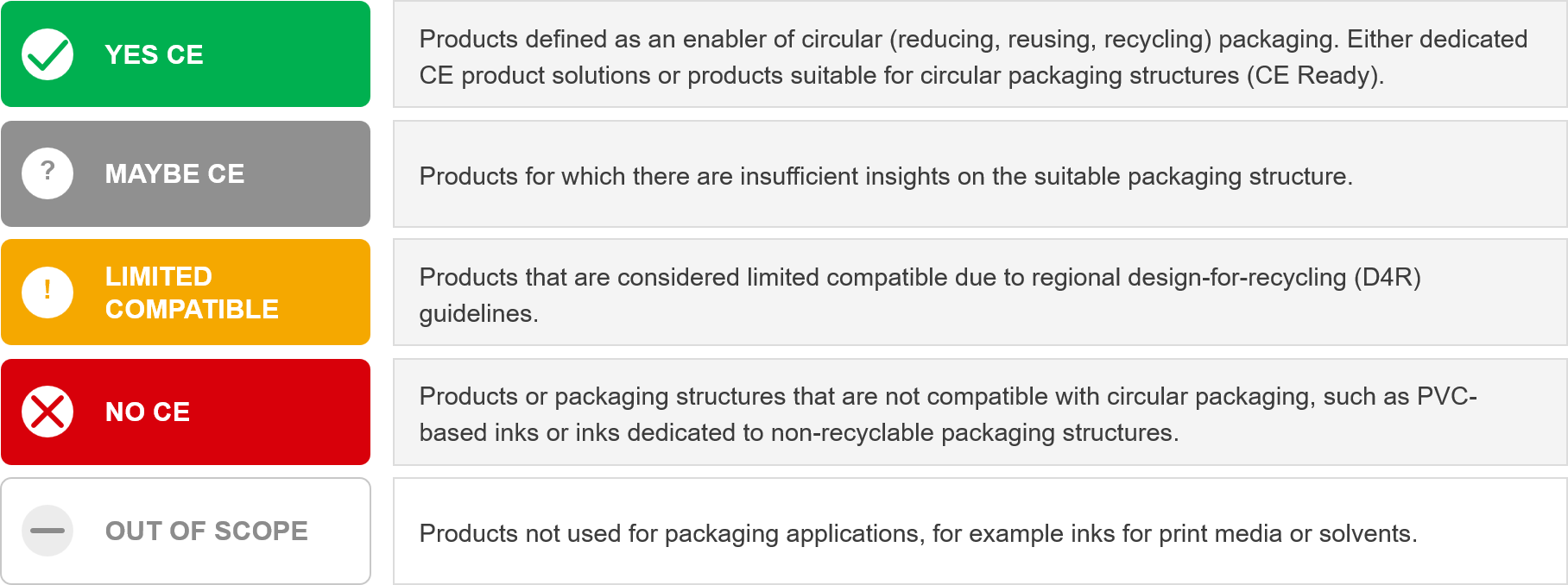
Figure 18: CE quantification categories
Building on this core logic, detailed rulesets have been developed and applied to account for the large variety of packaging structures and markets served by Siegwerk’s inks and coatings. Where possible, the rulesets take their orientation from existing and upcoming regulation such as the PPWR, as well as from industry design-for-recycling guidance, including CEFLEX, the 4evergreen alliance, RecyClass, and APR. Having a complete categorization of more than 150,000 products in place allows us to generate portfolio insights and to track progress on CE sales and activities.
Based on the methodology in place Siegwerk has set clear targets as shown in Table 16 for both strategy cycles.
Strategy cycle | Metric | Target | Target year | Commentary | |
|---|---|---|---|---|---|
HorizonNOW 2025 | % of products sold, based on net sales | 75% of all products and services sold enable circularity of packaging (reducing, reusing, recycling) | 2025 | — | |
HorizonNOW 2030 | % of products sold, based on volume | 65% of all products and services sold enable circularity of packaging (reducing, reusing, recycling) | 2030 | Metric changed to volume sold. Target level lowered due to slower implementation rates of regulatory requirements and voluntary commitments. | |
Table 16: Circular economy targets under HorizonNOW 2025 and HorizonNOW 2030
Siegwerk deliberately chose a target based on products sold rather than, for example, on the technical readiness of products. Products can only create a positive impact if they are actually sold and applied in packaging. To be accepted by the market, solutions must be circular while also remaining competitive in terms of technical performance and economics across the packaging structure.
The benefits of this product data transparency go beyond reporting. They include understanding whether our investments in new developments are market ready, jointly identifying the development transitions needed to achieve a more circular portfolio, supporting the phase-out of non-circular packaging, and informing design-for-recycling guidelines, especially in the context of emerging extended producer responsibility legislation. Furthermore, CE data can be extracted for each customer building a valuable baseline to identify transition needs.
7.3.2 Evolution of Metric Methodology
Section titled “7.3.2 Evolution of Metric Methodology”CE Quantification was launched in 2022 as part of HorizonNOW 2025. Because no blueprint for such a methodology existed in the industry, Siegwerk developed the categorization. While the basic approach has remained constant, key decisions on adapting the methodology were taken in 2025 to reflect an improved understanding of actual market use cases and upcoming regulatory changes. The rulesets described above are those applicable as of 2025, that is, within the reporting period, and they will remain relevant in the years to come.
The most significant ruleset change in 2025 was a shift in what is assessed: recyclability is no longer evaluated at the level of the overall packaging structure, but where possible at the level of the ink or coating itself. In line with the applicable recycling guidelines, NC inks for flexible packaging in Europe were reclassified as Limited CE. The former category “Likely CE” (high probability of circular packaging structures) was also revised by business unit: in Narrow Web (NW) it was replaced by “Maybe CE”, while in Sheetfed (SF) and Tobacco (TOB) it was replaced by “Yes CE”. These updates reflect a tighter link to design-for-recycling guidance and to how products are used in practice.
As a consequence, category labels are not fully comparable across the full time series. The progress data in Chapter 7.5 does not contain the category “Limited Compatible” for the years 2022 to 2024, and conversely the category “Likely CE” does not appear in the 2025 data. The key trends, namely the increase in “YES CE” and the decrease in “NO CE”, remain clear and are explained in more detail in in Chapter 7.5.
7.4 Actions
Section titled “7.4 Actions”7.4.1 General Approach
Section titled “7.4.1 General Approach”Our actions on circular economy follow three main lines: (1) Grow and further innovate the product offering (2) offer global regulatory understanding and engage in standard setting and (3) work in collaborations to showcase the feasibility of sustainable product innovations.
Grow and further innovate the product offering
Section titled “Grow and further innovate the product offering”Siegwerk has a strong footprint in product innovation and creating market readiness of products supporting the circular economy transition of packaging, especially in terms of sustainability.
Our inks are designed to enable recycling for all packaging formats in line with the newest design-for-recycling requirements, such as those of APR and RecyClass. This includes NC-free and PVC-free ink systems and ink systems optimized for mono-materials. In addition, inks contribute to the de-fossilization of packaging through high bio-renewable content and through inks that enable high-performance paper packaging (see also Chapter 8.2.) The CIRKIT portfolio is designed to support the transition to sustainable packaging solutions for films and paper, for converters and substrate producers, with a wide range of barrier coatings (oxygen, water vapor, oil and grease) and functional coatings such as heat-seal lacquers.
For a more detailed overview of our product offering refer to Chapter 7.4.2 for our circular economy product offering and Chapter 8.2. for product offerings that add additional product sustainability aspects such as reduced CO2e footprint.
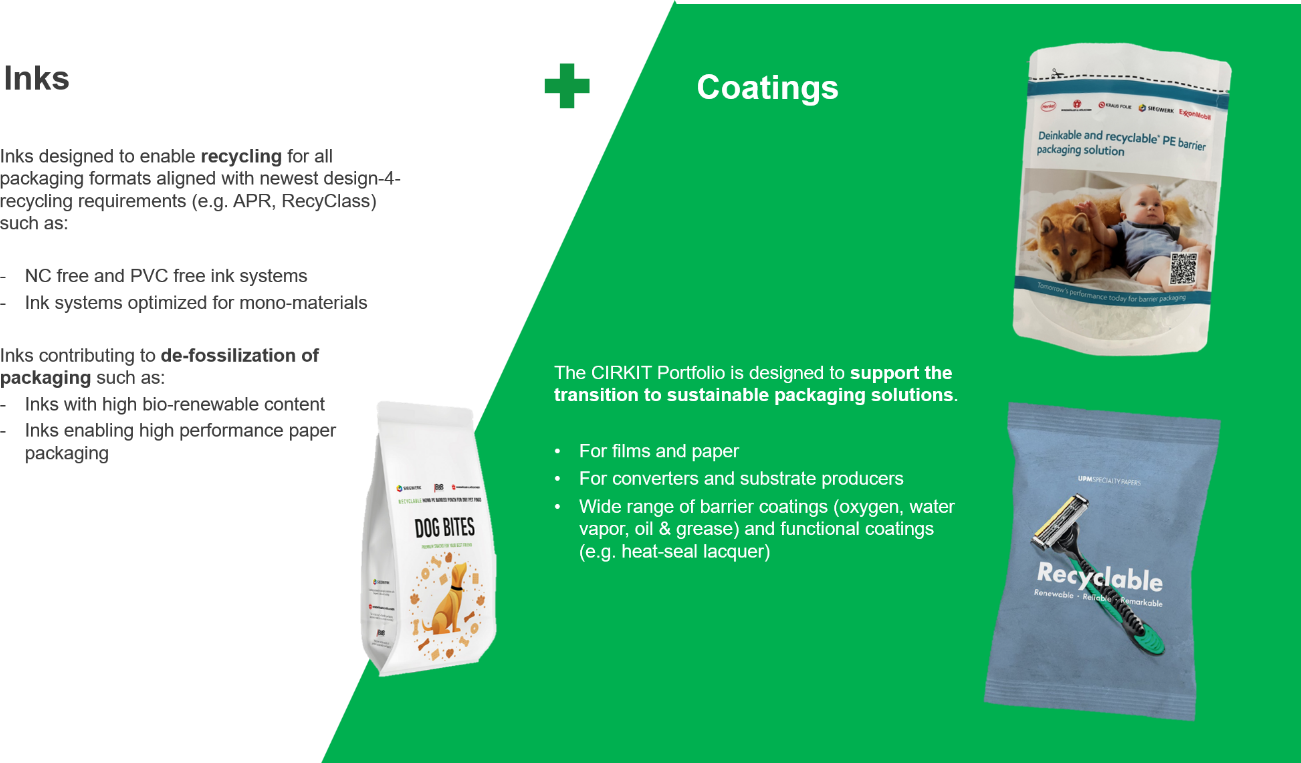
Figure 19: Inks and coatings for circular packaging
Offer global regulatory understanding and engage in standard setting
We engage in standard settings for upcoming regulations to help ensure fact-based design-for-recycling standards. This is also done through participation in external initiatives and industry associations across all regions, including APR in North America; RecyClass, CEFLEX, 4evergreen, EuPIA, HolyGrail 2.0, and CosPaTox in Europe; GIZ; IPRO and Project STOP in South and Southeast Asia; CPRRA and CECCPF in China; and PRAISE together with UNDP in Indonesia.
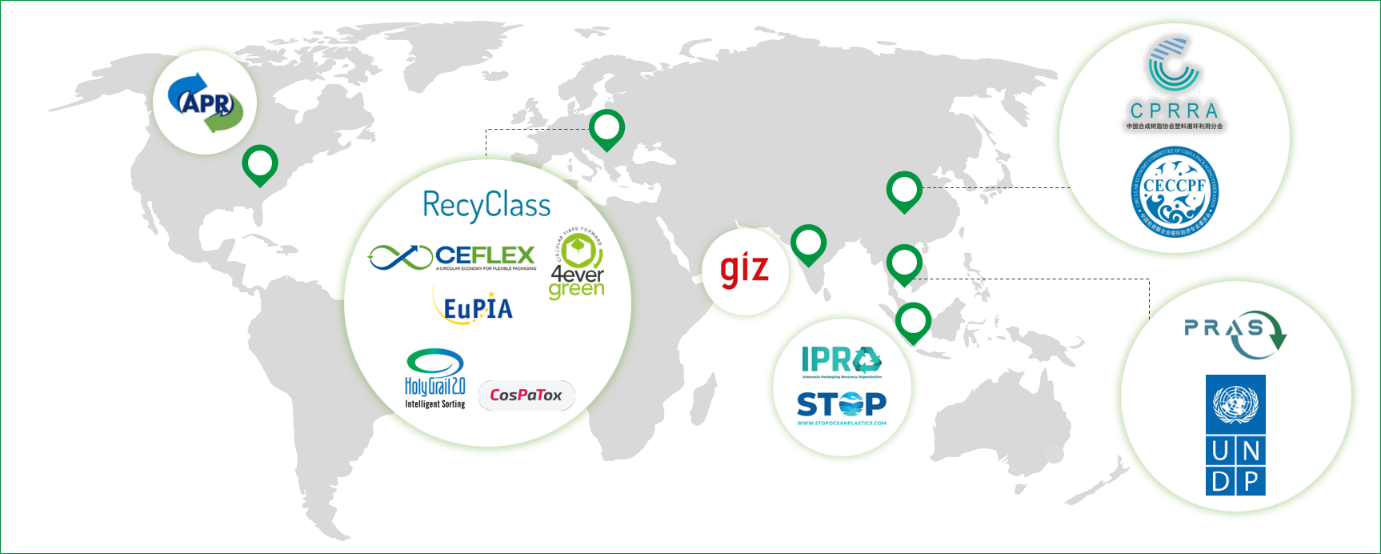
Figure 20: Global engagement in circular economy initiatives
Work in collaborations to showcase the feasibility of sustainable product innovations
Section titled “Work in collaborations to showcase the feasibility of sustainable product innovations”Collaboration along the value chain is essential, because the adoption of circular packaging depends on converters, substrate producers, and brand owners. Selected collaborations from the reporting year are described below.
7.4.2 Practical Case Studies from Reporting Year
Section titled “7.4.2 Practical Case Studies from Reporting Year”Product launches
Section titled “Product launches”In 2025, Siegwerk introduced several new products and collaborative packaging solutions with a strong focus on sustainability, performance, legal foresight, and competitiveness. In the following we present a few highlights across our inks and coatings product range.
As insight is growing on the incompatibility of NC-based inks for recyclability and subsequent discussions of regulatory limitation on use of NC-free inks in the future, Siegwerk has developed a NC-free ink toolbox that offers the full range of color, white, and 1K and 2K overprint varnishes across the relevant printing and application combinations: UR Lamination Gravure, UR Surface Gravure, UR Lamination Flexo, and UR Surface Flexo.
Further concrete developments from the reporting year cover the increase of bio-renewable content to address the carbon footprint of the packaging’s life cycle. These are presented in Chapter 8.
Coatings
Section titled “Coatings”Under the coordination of the dedicated CE Coatings business unit, several product launches marked valuable advancement in driving circular packaging.
These include the maturing or new development of products. Examples include:
- CIRKIT CLEARPRIME: a de-inking coating that allows printed laminate films to be delaminated for high-quality recycling;
- CIRKIT WASHINK: washable inks for shrink-sleeve applications;
- CIRKIT GREASEBAR: grease and oil resistance for film and flexible packaging;
- CIRKIT HEATGURAD: improved heat resistance and a wider sealing window for mono-material films;
- CIRKIT OXYBAR BC 1582: a water- and ethanol-based oxygen barrier coating; and
- CIRKIT NATUBAR: home compostability certification achieved for water-based coatings.
Further strengthening of the solution offerings for circular packaging was achieved through the technology-driven acquisition of Allinova in 2025. Innovative wax emulsions and cross-linkers, among other solutions, can be stand-alone product offerings and are used for the development of future coatings.
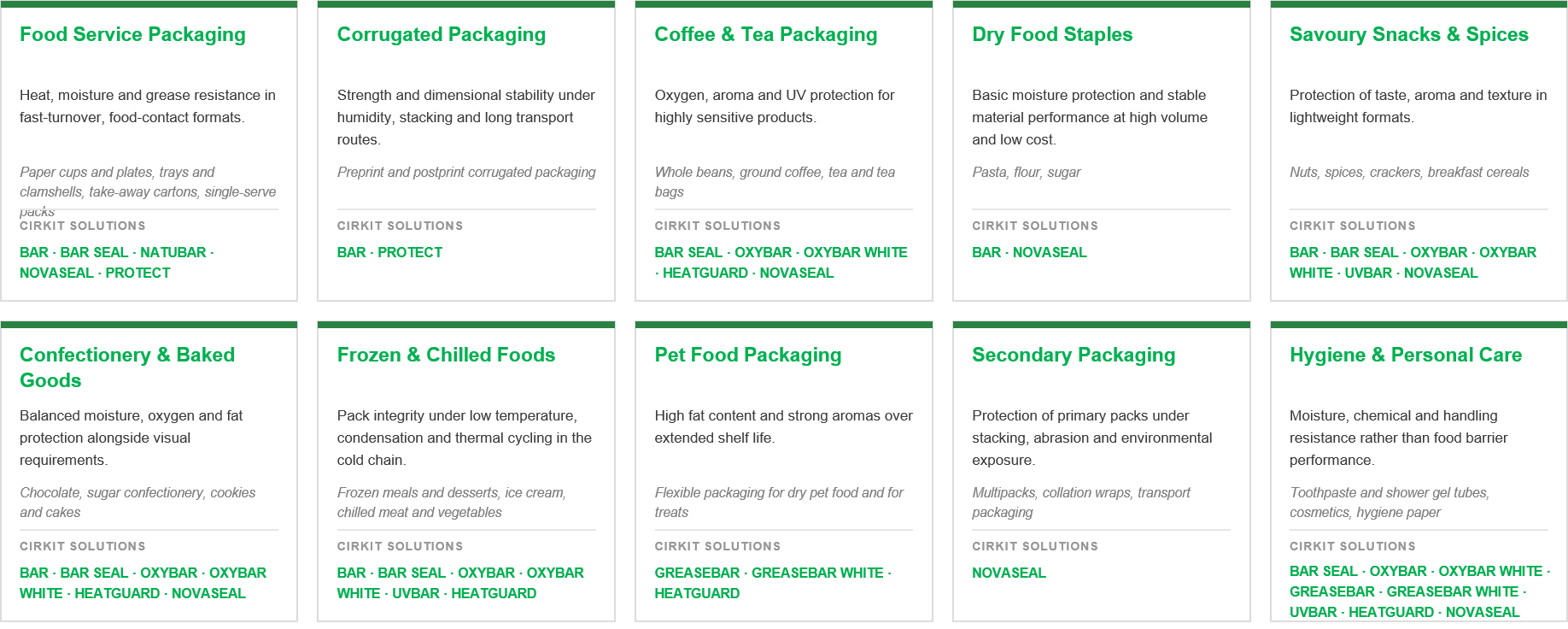
Figure 22: Current CIRKIT portfolio by end-markets
An overview of current coatings solutions is available here: Sustainable Coatings for Circular Packaging | CIRKIT by Siegwerk
Collaborations
Section titled “Collaborations”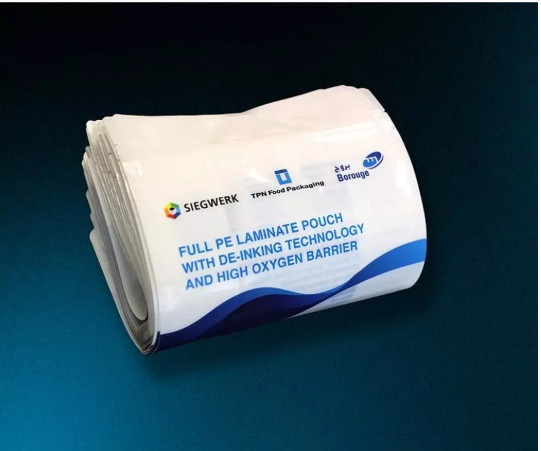
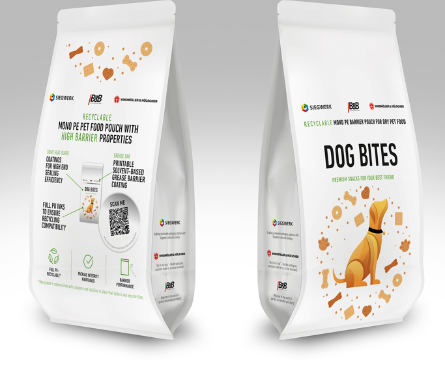
Not all collaborations can be disclosed. A prominent example from the reporting year, however, is the collaboration with Borouge and TPN Food Packaging. Together the companies launched a fully recyclable, mono-material stand-up pouch. The solution is a full PE laminate pouch combining de-inking technology with a high oxygen barrier. It was engineered to provide high-performance oxygen barrier protection for sensitive dry products, such as pet food and nuts, while ensuring recyclability.
7.5 Progress & Outlook
Section titled “7.5 Progress & Outlook”7.5.1 Progress
Section titled “7.5.1 Progress”The HorizonNOW 2025 target of 75% CE sales as a share of net sales was not met. At the same time, the underlying development points in the right direction: the share of clearly circular sales (Yes CE) increased steadily from 11% in 2022 to 39% in 2025, while the share of clearly non-circular sales (No CE) remained comparatively low at 12% in 2025 (see Figure 19).
The main reasons for not meeting the target are:
- slower regulatory development than expected, in particular the delay of the PPWR. While product solutions are being tested with customers, the urgency to switch packaging formats has decreased. In addition, remaining uncertainty about final standards reduces the willingness to act. In Asia there are promising developments, such as the implementation or drafting of regulation in India, Thailand, and Indonesia, but introduction is also slower and, in some cases, has limited effect on inks and coatings. For example, the increase in mandatory recycled content in India does not directly affect ink and coating solutions;
- a meaningful increase in our understanding of how our products are used, which moved products out of the Maybe CE category into one of the more definite categories (Yes CE, No CE); and
- an increasing number of CE-specific product innovations entering the market, especially within the CIRKIT portfolio.
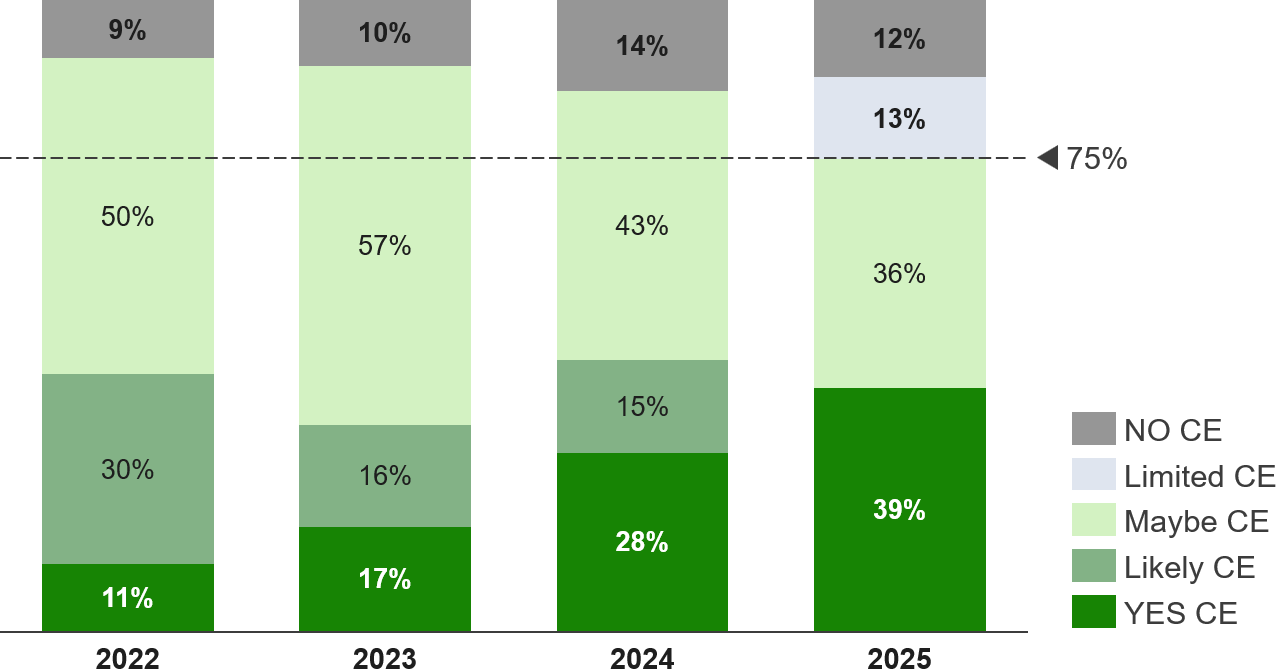
Figure 23: Development of CE target 2022-2025
Data are reported per net sales, using the previous ruleset for 20223–2024 and the current ruleset for 2025, in which Limited Compatible is included in Maybe CE. Changes in CE categories between 2022–2024 and 2025 are explained in Chapter 7.2.
7.5.2 Outlook
Section titled “7.5.2 Outlook”With mandatory packaging changes upcoming, Siegwerk is further developing its enabling product platform to support its customers in this transformation. A key innovation entering the market during the report writing phase is CIRKIT OXYBAR WHITE.
CIRKIT OXYBAR WHITE is an innovation for film-based applications that combines oxygen barrier performance and white ink functionality into a single printable layer.
The integration of these functions changes how barrier performance is incorporated into packaging structures by embedding it within the ink rather than relying on a separate material layer. The solution provides:
- high oxygen barrier performance (OTR < 5 cc/m²/day at 50% RH);
- a bright white, opaque finish for print quality; and
- one-pass application using standard printing processes.
Combining circularity with the aim of reducing carbon emissions is an increasing market demand, which Siegwerk addresses through product innovations focusing on the increased bio-renewable content. UniLEAF, an ink for paper and board applications, is being rolled out successfully. Further details are available in Chapter 8.2.1.
Footnotes
Section titled “Footnotes”2022 data cover January to October only. ↑